

Views: 0 Author: Site Editor Publish Time: 2025-12-23 Origin: Site


Are you looking to improve your home's energy efficiency? Foam board insulation is a popular choice for achieving better thermal performance.
In this article, we’ll explore what foam board insulation is, its benefits, and its common materials like XPS and PIR.
You’ll also learn practical tips on cutting insulation boards effectively, including insights from top brands like PENNINT.
Foam board insulation is a popular choice in construction due to its excellent thermal performance. It comes in various types, each offering unique benefits and applications. Let’s explore the two most common types of foam board insulation: Extruded Polystyrene (XPS) and Polyisocyanurate (PIR).
XPS is known for its rigidity and moisture resistance. It features a closed-cell structure, making it ideal for areas exposed to water, such as foundations and exterior walls. This insulation type provides high compressive strength and is often used in:
● Basement walls
● Roof insulation
● Perimeter insulation
PIR insulation boards offer superior thermal resistance compared to XPS. They have a high R-value per inch, making them an excellent choice for energy efficiency. PIR is commonly used in:
● Roofing systems
● Wall assemblies
● Industrial applications
Type | R-Value (per inch) | Moisture Resistance | Common Applications |
Extruded XPS | 5.0 | High | Foundations, walls, roofs |
Polyisocyanurate PIR | 6.5-7.0 | Moderate | Roofing, walls, industrial |
When selecting between XPS and PIR, consider the specific needs of your project. XPS excels in moisture-prone environments, while PIR offers better thermal performance. Both types are versatile and can be used in various construction scenarios, including residential and commercial projects.
Foam board insulation is widely applied in different areas of construction. Here are some common uses:
● Walls: Both interior and exterior walls benefit from foam board insulation, enhancing energy efficiency and soundproofing.
● Roofs: Installing insulation boards on roofs helps maintain stable indoor temperatures and reduces energy costs.
● Foundations: Proper insulation in foundations prevents heat loss and moisture infiltration, crucial for maintaining structural integrity.
Example: The PENNINSU® Insulation Board by PENNINT is a great option for these applications. Its lightweight and durable structure make it suitable for various projects, from residential renovations to large commercial buildings. By using products like PENNINT’s insulation boards, builders can achieve optimal energy efficiency and long-lasting performance in their constructions.
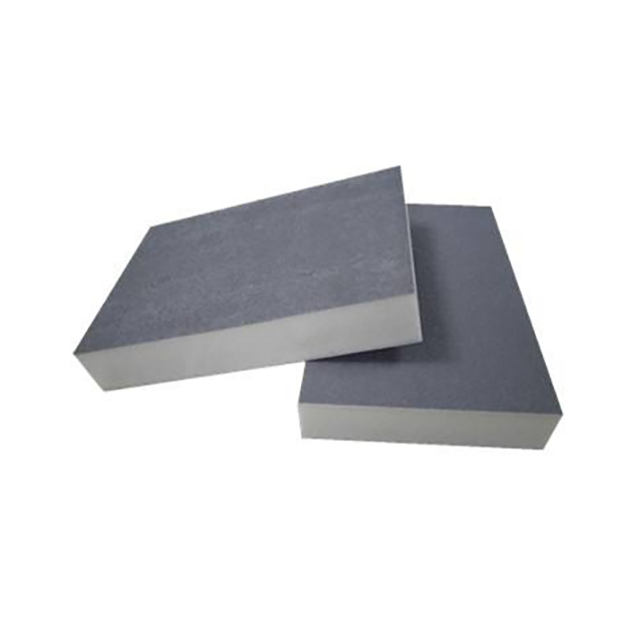
Cutting foam board insulation requires the right tools and materials to ensure precision and safety. Whether you’re a DIY enthusiast or a professional, having the proper equipment will make your task easier and more efficient. Let’s explore the essential cutting tools, safety gear, and preparation materials you’ll need.
A utility knife is a versatile tool for cutting foam board insulation. It’s lightweight and easy to handle, making it perfect for scoring and snapping thin boards. For best results, use a sharp blade to achieve clean cuts without tearing the material.
For thicker insulation boards, a circular saw or jigsaw is ideal. These power tools can handle larger cuts quickly. When using a jigsaw, opt for a fine-toothed blade designed for foam to minimize damage and ensure smooth edges.
For those who want a precise cut without creating dust, a hot wire cutter is an excellent choice. This tool melts through the foam, sealing the edges as it cuts. It’s particularly useful for intricate shapes or detailed work, though it requires careful handling.
Tool | Best For | Pros | Cons |
Utility Knife | Thin foam boards | Lightweight, easy to control | Limited to thinner materials |
Circular Saw | Thick insulation boards | Fast and efficient | Can create mess, requires skill |
Jigsaw | Curved or detailed cuts | Versatile for various shapes | Requires fine blade for foam |
Hot Wire Cutter | Intricate cuts | Clean edges, minimal dust | Needs careful handling |
When cutting foam board insulation, safety should always come first. Here are the essential safety gear items you should wear:
● Safety Goggles: Protect your eyes from foam dust and debris. This is crucial, especially when using power tools.
● Dust Mask: A dust mask helps prevent inhalation of fine particles produced during cutting. It’s a simple way to safeguard your respiratory health.
● Gloves: Wearing gloves protects your hands from cuts and irritation caused by the foam material. Choose a pair with a good grip for better control.
Before you start cutting, gather the necessary preparation materials. Here’s what you’ll need:
● Straightedge or Drywall Square: These tools help you mark straight lines, ensuring accurate cuts. A straightedge is particularly useful for scoring.
● Tape Measure: Accurate measurements are vital for successful cuts. A tape measure allows you to double-check dimensions before cutting.
● Marking Tools: Use a felt tip marker or pencil to mark your cutting lines clearly. This helps you follow your measurements precisely.
Recommended Tools from PENNINT: If you’re looking for quality, consider tools recommended by brands like PENNINT. They offer specific cutting tools designed for their PENNINSU® Insulation Board, ensuring compatibility and performance. Investing in the right tools will enhance your cutting experience and improve the quality of your work.
Cutting foam board insulation may seem daunting, but following a clear step-by-step process makes it manageable. Whether you're working on a DIY project or a professional installation, having the right techniques and preparation is key. Let’s dive into how to effectively cut insulation boards.
Before you begin cutting, it’s essential to prepare your workspace and materials properly. Start by measuring the installation space where the insulation board will fit. This ensures you cut the foam board to the correct dimensions. Use a tape measure for accuracy, and always double-check your measurements.
Next, secure the foam board on a flat surface. This could be a sturdy table or workbench. Using clamps can help hold the board in place, preventing movement during cutting. A stable setup is crucial for achieving clean cuts.
When dealing with thinner foam boards, the scoring and snapping method works best. Here’s how to do it:
1. Score the Board: Use a utility knife to score a straight line along your marked measurement. Apply firm, even pressure to create a deep groove.
2. Snap the Board: After scoring, place the board over the edge of your work surface. Press down firmly on the side opposite the score line. The board should snap cleanly along the scored line.
For even cleaner cuts, consider using segmented blades. These blades reduce tearing and provide a smoother finish, making them ideal for thin foam boards.
Thicker foam boards require different techniques. The double-sided scoring method is effective here:
1. Score Both Sides: Score the top and bottom of the board along the marked line. This helps create a weak point for snapping.
2. Snap the Board: Similar to the thin board method, position the board over the edge and apply pressure to break it.
For more intricate cuts, using handsaws or drywall saws can be beneficial. These tools allow for greater control, especially when cutting curves or complex shapes. To avoid jagged edges, always use a sharp blade and make smooth, steady cuts.
Thickness | Recommended Cutting Method | Tips for Success |
Up to 1 Inch | Scoring and snapping | Use segmented blades for clean cuts |
2 Inches or More | Double-sided scoring, handsaw or drywall saw | Keep blades sharp for smooth edges |
Specialized tools can enhance your cutting experience. A hot wire cutter is particularly advantageous for intricate shapes. It melts through the foam, creating clean edges without dust. When using a hot wire cutter, ensure you follow the manufacturer's instructions for safety.
For larger projects, circular saws or jigsaws are great options. They can cut through thick boards quickly. When using these tools, remember to select fine-toothed blades designed for foam. This minimizes tearing and ensures a precise cut.
PENNINT’s Recommendations: If you’re using PENNINT’s PENNINSU® Insulation Board, consider their suggested cutting methods. They offer guidelines tailored to their products, ensuring optimal results and performance. Following these recommendations can make your cutting process smoother and more effective.
Cutting foam board insulation effectively requires not just the right tools and techniques but also some helpful tips that ensure a smooth process. Here are some essential strategies to enhance your cutting experience, manage cleanup, and maintain safety.
Using sharp blades is crucial when cutting insulation boards. Dull blades can lead to jagged edges and uneven cuts, which can compromise the insulation's effectiveness. Here’s how to keep your tools in top shape:
● Importance of Using Sharp Blades: Sharp blades make cleaner cuts, reducing the risk of tearing the foam. They also require less force, which can help prevent accidents.
● How to Change Blades Effectively: Always change blades when they become dull. For utility knives, follow these steps:
○ Unlock the Blade: Most utility knives have a mechanism to release the blade.
○ Remove the Old Blade: Carefully dispose of the dull blade to avoid injury.
○ Insert the New Blade: Ensure it’s secure before locking it back in place.
Cutting foam boards can create a significant amount of dust, especially with certain cutting techniques. Managing this dust is important for both cleanliness and health.
● Cleanup Tips for Static-Charged Foam Dust: Foam dust can cling to surfaces due to static electricity. Use a damp cloth or an electrostatic duster to wipe down your workspace after cutting. This prevents dust from spreading.
● Best Practices for Minimizing Mess During Cutting: To keep your area clean while cutting:
○ Lay down a drop cloth to catch debris.
○ Cut outdoors if possible, allowing dust to disperse naturally.
○ Use a vacuum with a HEPA filter to collect dust immediately after cutting.
Safety should always be a priority when working with insulation boards. Here are some key precautions to keep in mind:
● Importance of Wearing Safety Gear: Always wear safety goggles to protect your eyes from foam dust and debris. A dust mask can help prevent inhalation of particles, while gloves protect your hands from cuts and irritation.
● Proper Ventilation When Using Power Tools: Ensure your workspace is well-ventilated, especially when using power tools like circular saws or jigsaws. Good airflow helps reduce dust accumulation and keeps the air quality safe.
Safety Gear | Purpose |
Safety Goggles | Protect eyes from dust and debris |
Dust Mask | Prevent inhalation of fine particles |
Gloves | Protect hands from cuts and irritation |
By following these tips, you can ensure a successful cutting experience while maintaining a safe and clean workspace. Remember, preparation and attention to detail can make all the difference in your project!

After cutting your foam board insulation, there are important steps to take to ensure everything is ready for installation. From checking the cut sizes to making the final preparations, these considerations will help you achieve the best results.
First and foremost, it's crucial to check the sizes of your cuts. Ensuring that each piece of insulation board fits perfectly into its designated installation space is key to maximizing energy efficiency.
● Ensuring the Foam Board Fits the Installation Space: Measure the area where the insulation will be placed. Place each cut piece in its intended location to confirm a snug fit. This helps avoid gaps that could compromise insulation performance.
● Adjusting Cuts as Needed: If any board doesn’t fit correctly, don’t hesitate to make adjustments. Use a utility knife or saw to trim edges as necessary. It’s better to make small adjustments than to have oversized pieces that won’t fit.
Once you’ve confirmed that your cuts are accurate, it’s time to focus on the finishing touches. These steps will prepare your insulation board for installation.
● Removing Excess Dust from the Board: After cutting, foam dust can cling to the surfaces. Use a damp cloth to wipe down each piece, ensuring that all dust is removed. This prevents any interference during installation and helps adhesives bond better if used.
● Preparing the Board for Installation: Check the edges for any rough spots and smooth them out as needed. If your project requires adhesive, ensure the surfaces are clean and dry. Proper preparation now will lead to a smoother installation process later.
Post-Cutting Task | Purpose |
Check Cut Sizes | Ensure proper fit in the installation space |
Adjust Cuts | Create snug fits to maximize insulation efficiency |
Remove Excess Dust | Improve adhesion and cleanliness |
Smooth Edges | Ensure a neat appearance and better fit |
For those using PENNINT’s PENNINSU® Insulation Board, take advantage of their after-sales support. They offer valuable installation guidance and tips to ensure that your insulation performs optimally. Whether you have questions about installation techniques or need advice on specific applications, their support team is ready to assist you. This resource can be invaluable, especially for first-time users or complex projects.
A: The best tools include a utility knife for thin boards, a circular saw or jigsaw for thicker boards, and a hot wire cutter for intricate shapes.
A: Yes, you can use a utility knife or handsaw for cutting foam board insulation effectively without power tools.
A: If you make a mistake, simply adjust the cut by trimming the edges with a utility knife for a better fit.
A: Use the double-sided scoring technique and ensure blades are sharp to achieve clean cuts on thicker boards.
A: Measure accurately, secure the board on a flat surface, and wear safety gear to ensure a successful cutting process.
A: PENNINT's PENNINSU® Insulation Board offers high thermal performance, moisture resistance, and is designed for easy installation, backed by excellent after-sales support.
Cutting foam board insulation requires proper techniques for the best results. Using sharp tools and accurate measurements is essential.
Don’t hesitate to experiment with different cutting methods for your projects.
We invite you to share your experiences or ask questions in the comments below.
Also, consider checking out PENNINT for high-quality insulation solutions to enhance your projects.


