Photovoltaic roofing is an innovative and efficient solution for harnessing solar energy in both residential and commercial buildings. As the world continues to transition to renewable energy, the adoption of photovoltaic roofing systems is becoming more widespread. These systems not only reduce reliance on traditional energy sources but also provide environmental benefits and long-term cost savings. There are several types of photovoltaic roofing systems, each with its own unique features, advantages, and applications. This article explores the different types of photovoltaic roofing systems, including solar shingles, solar tiles, Building Integrated Photovoltaics (BIPV), thin-film technology, and hybrid systems, and helps you understand the factors to consider when choosing the right system for your needs.
Introduction to Photovoltaic Roofing Systems
Photovoltaic roofing systems are solar technologies integrated directly into the roof of a building. Unlike traditional solar panels, which are mounted on top of existing roofs, photovoltaic roofing incorporates solar cells into the roofing material itself, such as shingles, tiles, or integrated building components. This integration makes photovoltaic roofing systems not only energy-efficient but also aesthetically pleasing and functional.
Importance of Photovoltaic Roofing
The demand for renewable energy solutions has been steadily increasing due to growing concerns about climate change, rising energy costs, and the need for energy independence. Photovoltaic roofing systems offer a practical solution to these challenges. By capturing sunlight and converting it into electricity, these systems provide clean energy and reduce the environmental impact of energy consumption.
How Photovoltaic Roofing Works
Photovoltaic roofing works by integrating solar cells directly into roofing materials. These solar cells, typically made from silicon or thin-film technology, capture sunlight and convert it into direct current (DC) electricity. The DC electricity is then converted into alternating current (AC) electricity by an inverter, making it suitable for household or commercial use.
Photovoltaic roofing systems are designed to be durable and long-lasting, providing energy generation benefits for 25-30 years or more. Additionally, they help reduce reliance on traditional energy sources, lower electricity bills, and contribute to a more sustainable future.
Solar Shingles
Solar shingles are one of the most popular types of photovoltaic roofing systems. These shingles are designed to look like traditional roofing materials but contain embedded solar cells that capture sunlight and convert it into electricity.
What Are Solar Shingles?
Solar shingles are a type of building-integrated photovoltaic (BIPV) technology that combines the functionality of a roofing material with the ability to generate electricity. They are installed in the same way as traditional shingles, providing an aesthetically seamless and efficient solar solution for residential homes. Solar shingles are available in various designs and materials, including those made from monocrystalline silicon, which offers higher efficiency.
Key Features of Solar Shingles
Integration with Roofing Materials: Solar shingles are designed to integrate seamlessly with the rest of the roof, offering a clean, unified appearance.
Energy Efficiency: Solar shingles typically offer moderate to high energy efficiency depending on the technology used. They are most effective when placed in areas with high solar exposure.
Aesthetic Appeal: Solar shingles are less visually obtrusive compared to traditional solar panels, making them an ideal choice for homeowners who want to preserve the appearance of their home.
Ideal Applications for Solar Shingles
Solar shingles are best suited for residential applications where aesthetic considerations are important. They are especially useful in new builds or roof replacements, where the integration of solar energy generation can be part of the overall design. Solar shingles are also suitable for areas with moderate to high solar exposure.
Solar Tiles
Solar tiles are another type of photovoltaic roofing system that integrates solar technology into the roofing material itself. Unlike solar shingles, solar tiles are typically larger and can replace traditional roof tiles.
What Are Solar Tiles?
Solar tiles are similar to solar shingles, but they are usually larger and are designed to replace traditional roof tiles rather than integrate with them. Solar tiles are often made from durable materials such as tempered glass, and they are designed to blend seamlessly with the roof’s design while still generating electricity.
Key Features of Solar Tiles
Sleek Design: Solar tiles are designed to be less noticeable than traditional solar panels, giving the roof a clean and integrated appearance.
Higher Efficiency: Solar tiles tend to offer slightly higher energy efficiency than solar shingles due to their larger size and design.
Long-Term Durability: Solar tiles are built to last for decades, providing long-term benefits for homeowners looking for a sustainable energy solution.
Advantages and Drawbacks of Solar Tiles
Advantages:
Seamless integration with the roof’s structure.
Higher energy output compared to solar shingles.
Aesthetically appealing, especially for modern architectural designs.
Drawbacks:
Higher upfront cost compared to solar shingles or traditional solar panels.
Installation is more complex, requiring specialized expertise.
Applications for Solar Tiles
Solar tiles are ideal for homeowners who are building new homes or replacing their entire roof. They are particularly beneficial in areas where homeowners want to maximize solar energy production without sacrificing aesthetics.
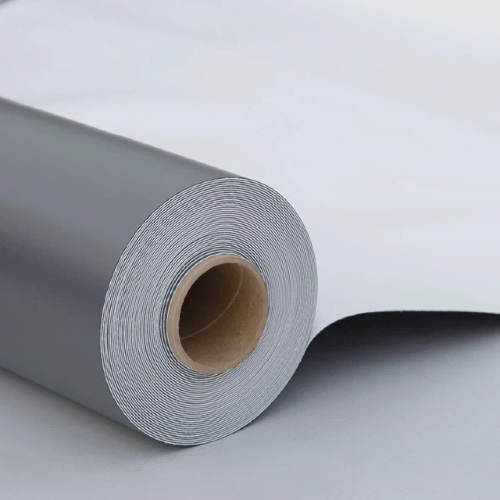
Building Integrated Photovoltaics (BIPV)
Building Integrated Photovoltaics (BIPV) is a broader category of solar technologies that integrate photovoltaic systems into building materials, including roofs, facades, windows, and even walls.
What Are Building Integrated Photovoltaics (BIPV)?
BIPV refers to the integration of solar cells into various building components. In terms of roofing, BIPV systems replace conventional roofing materials with photovoltaic materials. BIPV systems can be used in new construction or retrofitting projects, offering a more holistic and integrated approach to solar energy generation.
Types of BIPV Systems
Roof BIPV Systems: Photovoltaic tiles or shingles are integrated into the roof structure to generate energy while protecting the building.
Facade BIPV Systems: Solar panels can be incorporated into building facades, serving as a functional and aesthetic feature while generating electricity.
Window BIPV Systems: Photovoltaic glass or windows are integrated into the building’s windows, allowing natural light while generating power.
Advantages of BIPV
Seamless Integration: BIPV systems blend into the building’s design, creating a unified appearance.
Space-Saving: By integrating photovoltaic systems into the building’s structure, BIPV systems reduce the need for additional space.
Enhanced Aesthetics: BIPV allows for customized designs that match the architectural style of the building, providing both functional and aesthetic benefits.
Thin-Film Solar Technology
Thin-film solar technology is an alternative to traditional photovoltaic systems and is used in some photovoltaic roofing systems.
What Is Thin-Film Solar Technology?
Thin-film solar panels are made by depositing photovoltaic material onto a substrate, such as glass, plastic, or metal. The panels are lightweight, flexible, and have a lower energy efficiency than traditional crystalline silicon solar panels. Despite this, thin-film technology is often used for its cost-effectiveness and versatility.
Advantages of Thin-Film Solar Panels
Lightweight and Flexible: Thin-film solar panels are flexible and lightweight, making them ideal for applications where traditional panels may be too heavy.
Cost-Effective: Thin-film solar panels are generally less expensive to produce than traditional silicon-based panels, which makes them an attractive option for homeowners on a budget.
Aesthetic Appeal: Thin-film panels are available in a variety of colors and finishes, making them an appealing option for design-conscious homeowners.
Limitations of Thin-Film Solar Panels
Lower Efficiency: Thin-film solar panels typically have a lower energy conversion efficiency compared to crystalline silicon panels.
Less Durability: Thin-film solar panels may have a shorter lifespan compared to other types of photovoltaic systems.
Ideal Applications for Thin-Film Solar Technology
Thin-film solar panels are best suited for large-scale commercial applications, building facades, or situations where space constraints make traditional panels less feasible.
Hybrid Photovoltaic Roofing Systems
Hybrid photovoltaic systems combine solar energy generation with other roofing technologies, offering enhanced energy efficiency and sustainability.
What Are Hybrid Photovoltaic Systems?
Hybrid photovoltaic systems integrate traditional solar energy generation with other building features, such as green roofs or traditional roofing systems. These systems aim to enhance overall energy efficiency and sustainability by combining the benefits of solar energy with other eco-friendly technologies.
Advantages of Hybrid Systems
Enhanced Energy Efficiency: Combining photovoltaic panels with other energy-saving technologies, such as green roofs, can provide enhanced energy efficiency for buildings.
Improved Aesthetics: Hybrid systems can be customized to suit a wide range of architectural designs, providing a seamless and integrated energy solution.
Long-Term Savings: Hybrid systems offer long-term savings by reducing both energy consumption and heating/cooling costs.
Applications for Hybrid Photovoltaic Systems
Hybrid photovoltaic systems are ideal for commercial buildings or large residential projects where energy efficiency and sustainability are a priority. They are also suitable for homes looking to combine the benefits of solar energy with other sustainable features.
Comparison of Photovoltaic Roofing System Types
To help homeowners and businesses choose the right photovoltaic roofing system, here is a comparison table summarizing the key differences between solar shingles, solar tiles, BIPV, thin-film technology, and hybrid systems.
System Type | Energy Efficiency | Aesthetic Appeal | Installation Complexity | Cost | Lifespan |
Solar Shingles | High | Seamless, integrated | Moderate | Medium to High | 25-30 years |
Solar Tiles | High | Sleek, integrated | Complex | High | 25-30 years |
Building Integrated PV (BIPV) | Moderate | Fully integrated | Complex | High | 20-30 years |
Thin-Film Solar Panels | Moderate | Less visually appealing | Low | Low to Medium | 20-25 years |
Hybrid Systems | Very High | Customizable | Complex | High | 20-30 years |
Considerations for Choosing the Right Photovoltaic Roofing System
Choosing the right photovoltaic roofing system for your building depends on several factors. Here are some key considerations to keep in mind:
Roof Type and Design: Certain systems, like solar shingles and solar tiles, are better suited for specific types of roofs. Ensure the system you choose is compatible with your roof’s structure.
Climate and Location: The amount of sunlight your area receives can impact the performance of different photovoltaic systems. Consider a system that maximizes energy production based on your local weather conditions.
Budget and Financial Incentives: The initial cost of the system is an important consideration. However, many regions offer tax incentives and rebates for solar energy systems, which can offset some of the upfront costs.
Conclusion
As the world increasingly adopts renewable energy solutions, photovoltaic roofing systems are set to become a standard feature in both residential and commercial buildings. Technological advancements are making these systems more efficient, cost-effective, and visually appealing. By selecting the right photovoltaic roofing system, homeowners and businesses can not only lower energy costs but also reduce their environmental impact, contributing to a more sustainable future.
At PENNINT CO., LTD, we specialize in providing innovative photovoltaic roofing solutions designed to meet the evolving needs of our clients. Our systems are built for maximum energy efficiency, durability, and aesthetic appeal, making them an ideal choice for those looking to enhance their buildings with sustainable energy solutions. Whether you're planning a new build or upgrading your existing roof, we offer customized solutions that help you reduce energy costs and support environmental sustainability.
To learn more about how our photovoltaic roofing systems can benefit your property or to discuss your specific project needs, feel free to contact our team. We're here to guide you towards a more energy-efficient and eco-friendly future.
FAQs
What is the difference between solar shingles and solar tiles?
Solar shingles are smaller and integrated directly into the roof, while solar tiles are larger and often used to replace conventional roofing materials. Solar tiles generally offer higher efficiency.
Are building-integrated photovoltaic (BIPV) systems worth the investment?
BIPV systems offer seamless integration with the building’s design and are ideal for new construction projects. They come at a higher initial cost but can provide long-term benefits in energy savings and aesthetics.
What are the benefits of thin-film solar technology in roofing?
Thin-film solar panels are lightweight, flexible, and cost-effective. However, they have lower energy efficiency compared to other types of photovoltaic systems.
How do hybrid photovoltaic systems improve energy efficiency?
Hybrid systems combine photovoltaic technology with other sustainable roofing solutions, such as green roofs, to enhance energy efficiency and overall sustainability.


